


The Rise of Semi-Permanent Temporary Structures for Events in the UK
- Alex Ford

- Jan 28
- 5 min read
The demand for semi-permanent temporary structures for events continues to grow, as organisers look for smart, flexible space solutions that balance speed, strength, and visual impact. Across the UK and the USA, these adaptable builds now support concerts, exhibitions, and large public gatherings where permanent construction feels impractical.

Designed to stay in place for months or even years, they offer the durability of modern temporary buildings with the freedom to relocate or reconfigure. From bold event structures at festivals to climate-controlled halls for corporate use, these solutions respond perfectly to changing audience needs. Their rise signals a clear shift toward efficiency, sustainability, and creative freedom in the events industry.
What Is a Semi Permanent Temporary Structure?
At its core, a semi-permanent temporary structure sits between a short-term tent and a permanent building. It is designed to stay in place for months or even years, yet it can be removed without lasting ground damage. These structures often use aluminium frames, tensioned fabric, or advanced inflatable structures. Unlike basic tents, they meet strict safety standards and resist wind, rain, and snow. This balance makes them ideal for long-running events.
You can think of a semi-permanent structure like a pop-up shop that decided to stay longer because business was good. It offers stability and comfort while keeping flexibility. In both the UK and the USA, planners use them when permanent construction feels risky or slow. Many temporary buildings now include insulation, solid doors, and climate control. That level of finish surprises first-time visitors.
Common Uses of Temporary Structures for UK Events & Festivals
Across the UK, large outdoor gatherings rely heavily on temporary structures to manage crowds and weather. Music festivals use them for stages, bars, and VIP lounges. Food fairs rely on them for hygiene-controlled kitchens and seating zones. Sporting organisers build fan zones and covered seating for major sport events. These uses keep guests comfortable and safe.

In the USA, the pattern looks similar. Organisers of exhibitions and touring shows prefer flexible event structures that move city to city. Corporate events often use meeting spaces built in car parks or open land. These solutions allow brands to appear where audiences already gather. That convenience explains their rapid adoption.
Types of Temporary & Semi-Permanent Structures Available
The market now offers far more than simple tents. Temporary domes create striking shapes and handle wind well. Fabric halls with clear spans support wide interiors without pillars. Modular temporary buildings allow walls, doors, and roofs to change as needs shift. Some organisers prefer large event tents for speed and scale.
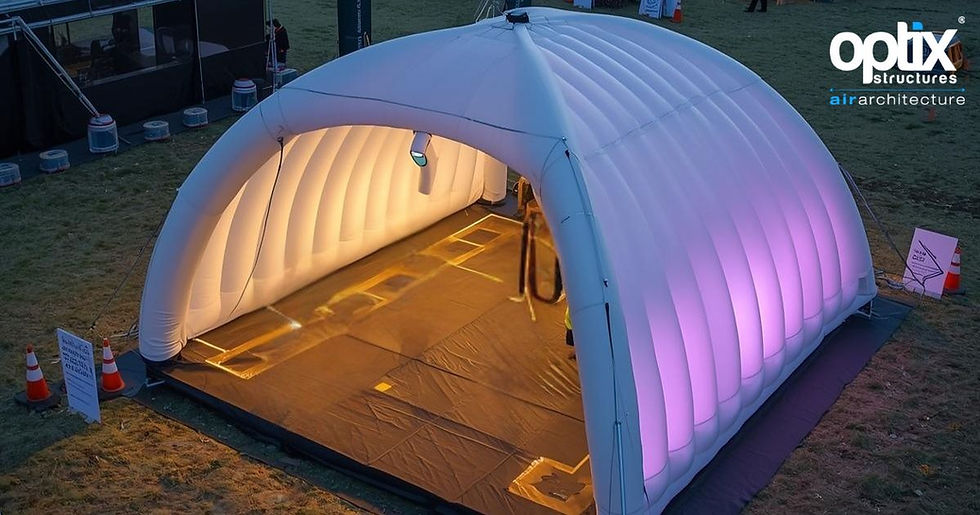
Inflation-based designs also play a growing role. Modern inflatable structures deploy quickly and look futuristic. They work well for brand activations and product launches. For cold climates, insulated halls even support ice rinks and winter events. Each type serves a different purpose yet shares the same flexible DNA.
Key Benefits of Semi-Permanent Temporary Structures for Large Events
Speed stands out as a major advantage. Crews can install a full structure in days rather than months. Costs stay predictable because materials are reusable. Safety also improves because engineered temporary structures meet load and fire standards. Guests feel secure even during long stays.

Another benefit lies in adaptability. Organisers can resize spaces as attendance changes. A hall used for sports halls today can host corporate events tomorrow. This reuse reduces waste and supports sustainability goals. That flexibility makes semi-permanent solutions attractive on both sides of the Atlantic.
How Temporary Structures Can Be Fully Customised
Customisation turns a plain shell into a branded experience. Interiors adapt with flooring, lighting, and acoustics. Walls carry graphics and sponsor logos. HVAC systems control temperature for comfort. Accessibility features ensure everyone feels welcome.
Many event structures now include glazed doors and solid partitions. These upgrades make them suitable for meeting structures and premium lounges. For airports, temporary halls even act as overflow airport terminals during renovations. This level of tailoring helps brands deliver consistent experiences anywhere.
Do You Need Planning Permission for Temporary Structures in the UK?
In the UK, planning rules depend on duration and land use. Structures used for under 28 days often avoid full permission, though safety checks still apply. Longer installations may require council approval. Local authorities also review traffic, noise, and visual impact.
In the USA, permits vary by state and city. Organisers usually work with local inspectors to meet fire and occupancy codes. Either way, early planning avoids delays. Understanding regulations ensures temporary buildings remain an asset rather than a risk.
Hire vs Buy Temporary Structures – Which Is Better?
Choosing between hire and ownership depends on frequency and budget. Short-term projects favour rental because storage and maintenance stay with the supplier. Long-term use may justify purchase, especially for repeat events. Ownership allows deeper customisation.
The table below shows a simple comparison.
Aspect | Hire | Purchase |
Upfront cost | Low | High |
Long-term value | Limited | Strong |
Storage needs | None | Required |
Custom branding | Basic | Extensive |
Both options work well when matched to clear goals.
The Process of Designing, Delivering & Erecting a Temporary Structure
Every project begins with a site review. Engineers assess ground conditions and access routes. Designers then shape the structure around capacity and purpose. Manufacturing or preparation follows quickly. Delivery uses standard transport.

On-site teams assemble frames, fabrics, or air systems. Final checks confirm safety and finish. Optix Inflatable Structures support this process with experience and precision. That expertise reduces stress and keeps timelines tight.
Which Businesses Benefit Most from Semi-Permanent Structures?
Event organisers top the list because flexibility drives profit. Retail brands use them for seasonal pop-ups. Sports clubs expand training spaces with sports halls built in weeks. Logistics firms create overflow storage without permanent builds.
Museums and galleries host exhibitions in temporary halls. Universities add lecture space fast. This wide appeal explains why adoption keeps rising across sectors.
Why Semi-Permanent Temporary Structures Are the Future of Flexible Space
Urban land grows scarce while demand grows fast. Semi-permanent solutions answer that tension. They support reuse, lower carbon impact, and rapid deployment. Cities benefit from adaptable infrastructure without long-term scars.

In both the UK and the USA, planners now expect flexibility. Structures that move and evolve fit modern life. Optix Inflatable Structures help lead this shift by blending design with durability. The future clearly favours adaptable space.
Ready to Build Your Temporary Structure?
Before committing, consider your timeline, audience, and growth plans. Think about weather, access, and branding. The right structure enhances experience and protects investment. Semi-permanent options offer that balance.
As the rise of semi-permanent temporary structures for events in the UK continues, these solutions will shape how gatherings look and feel. They deliver freedom without fragility. That promise keeps organisers coming back.
Frequently Asked Questions
What is a semi-permanent structure for events?
A semi-permanent structure is a durable, engineered event space designed to stay in place for months or years while remaining removable without permanent ground changes.
Do temporary event structures require planning permission in the UK?
Short-term event structures often don’t need planning permission if used under 28 days, but longer installations usually require local council approval.
What are the differences between temporary and semi-permanent structures?
Temporary structures suit very short use, while semi-permanent structures offer stronger materials, higher safety standards, and longer installation periods.
How much do semi-permanent event structures cost to hire in the UK?
Hire costs vary by size and duration, but most projects range from several thousand pounds to tens of thousands for long-term use.
What types of events use semi-permanent temporary structures?
They are commonly used for festivals, exhibitions, corporate events, sports events, and seasonal public attractions.


Comments